

Benefits of Chemical Peels
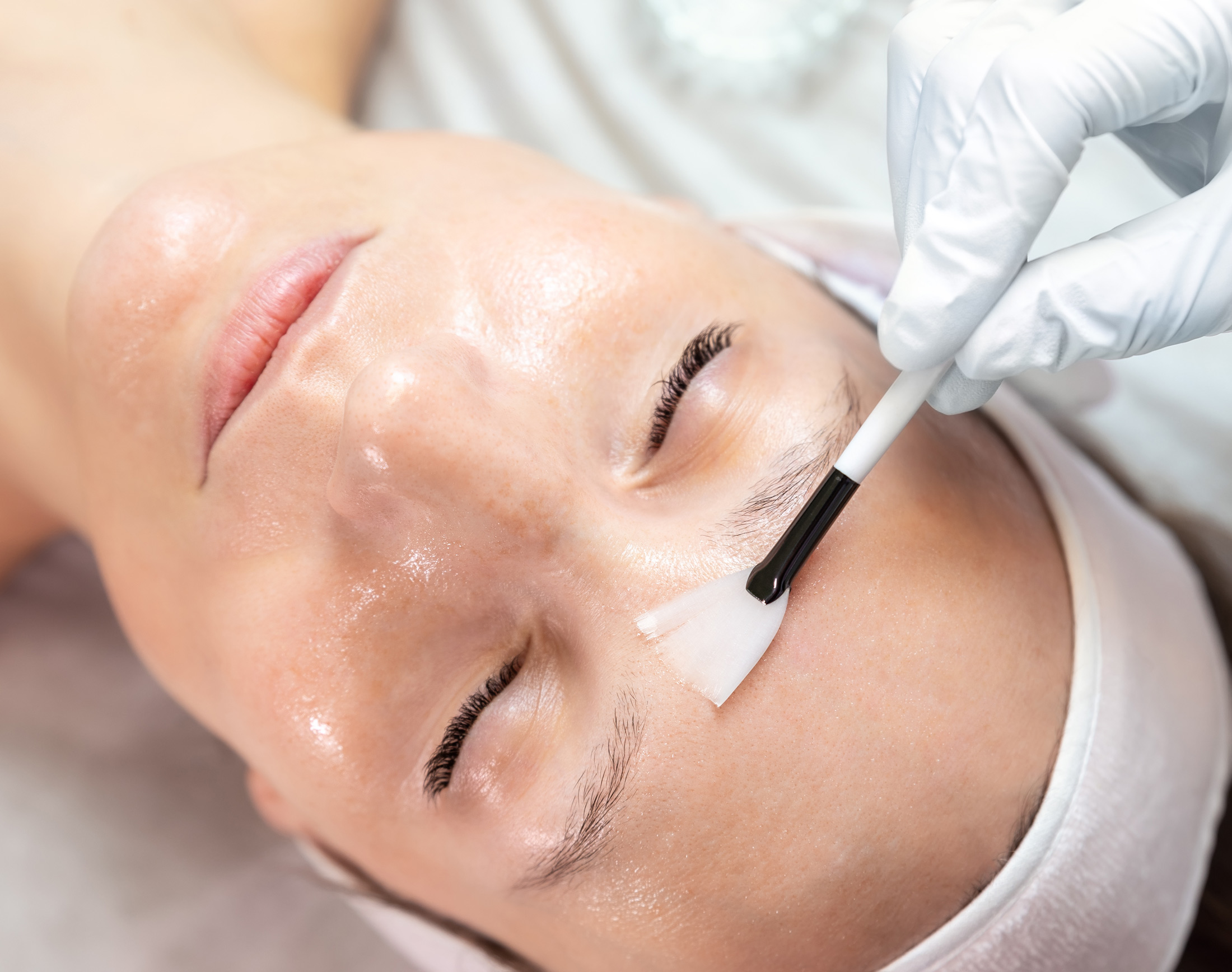
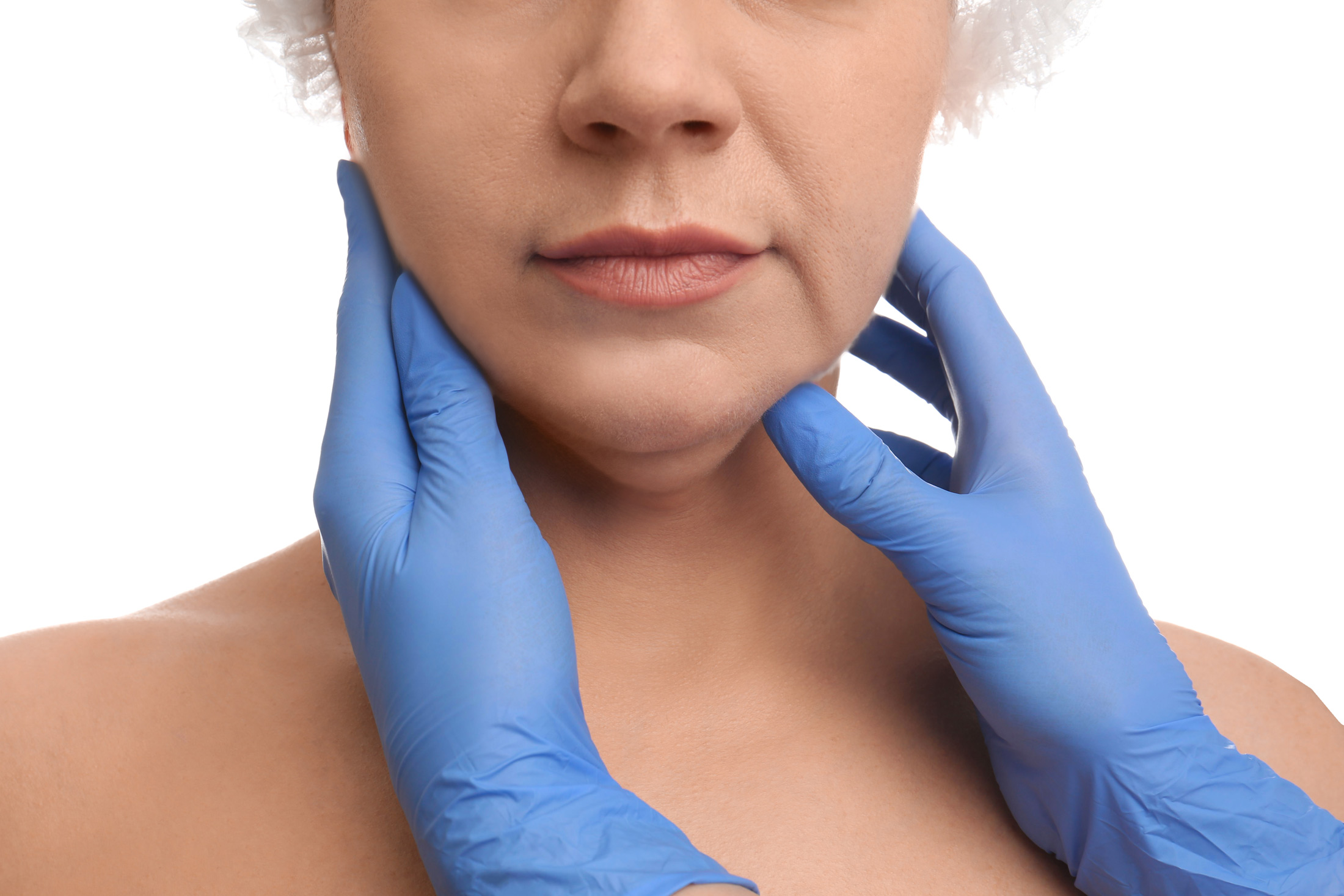
Chemical peels provide a non-surgical way to refresh and rejuvenate the skin.
Chemical Peel Options
$325.00
A specialized VI Peel that targets stubborn hyperpigmentation, melasma, and uneven tone. It delivers a brighter, clearer complexion with a more uniform appearance.
$250.00
A more intensive VI Peel designed to treat advanced signs of aging such as deeper lines and loss of elasticity. It stimulates collagen and refines skin for a firmer, smoother appearance.
$95.00
A versatile peel appropriate for many skin types that targets dullness, uneven tone, and fine lines. It refreshes the complexion and supports ongoing skin health.
$95.00
A medium-strength peel that enhances brightness, refines texture, and reduces mild discoloration. It is ideal for patients seeking visible improvement without an extended recovery.
$125.00
Exfoliating pads featuring our award-winning retinoid, AlphaRet, a unique technology that is made up of a combination of a retinoid and an alpha hydroxy acid (AHA), along with a triple-acid blend of glycolic, lactic and salicylic acid, in individually packaged pads.
Why You'll Love It: Additional exfoliation, improvement in the appearance of skin smoothness, clarity, lines and wrinkles.
All skinbetter science products are dermatologist tested, paraben free, fragrance free, dye free, and cruelty free.
$99.00
A classic multi-acid peel that addresses acne, pigmentation, and early signs of aging. It provides a more intensive exfoliation to smooth texture and brighten overall skin tone.
$135.00
A medium-depth TCA peel designed to improve wrinkles, pigmentation, and more significant texture concerns. It stimulates collagen and reveals fresher, smoother skin after a short recovery period.
$100.00
A mandelic acid-based peel ideal for sensitive, acne-prone, or redness-prone skin. It refines texture, reduces breakouts, and improves tone without the harshness of stronger acids.
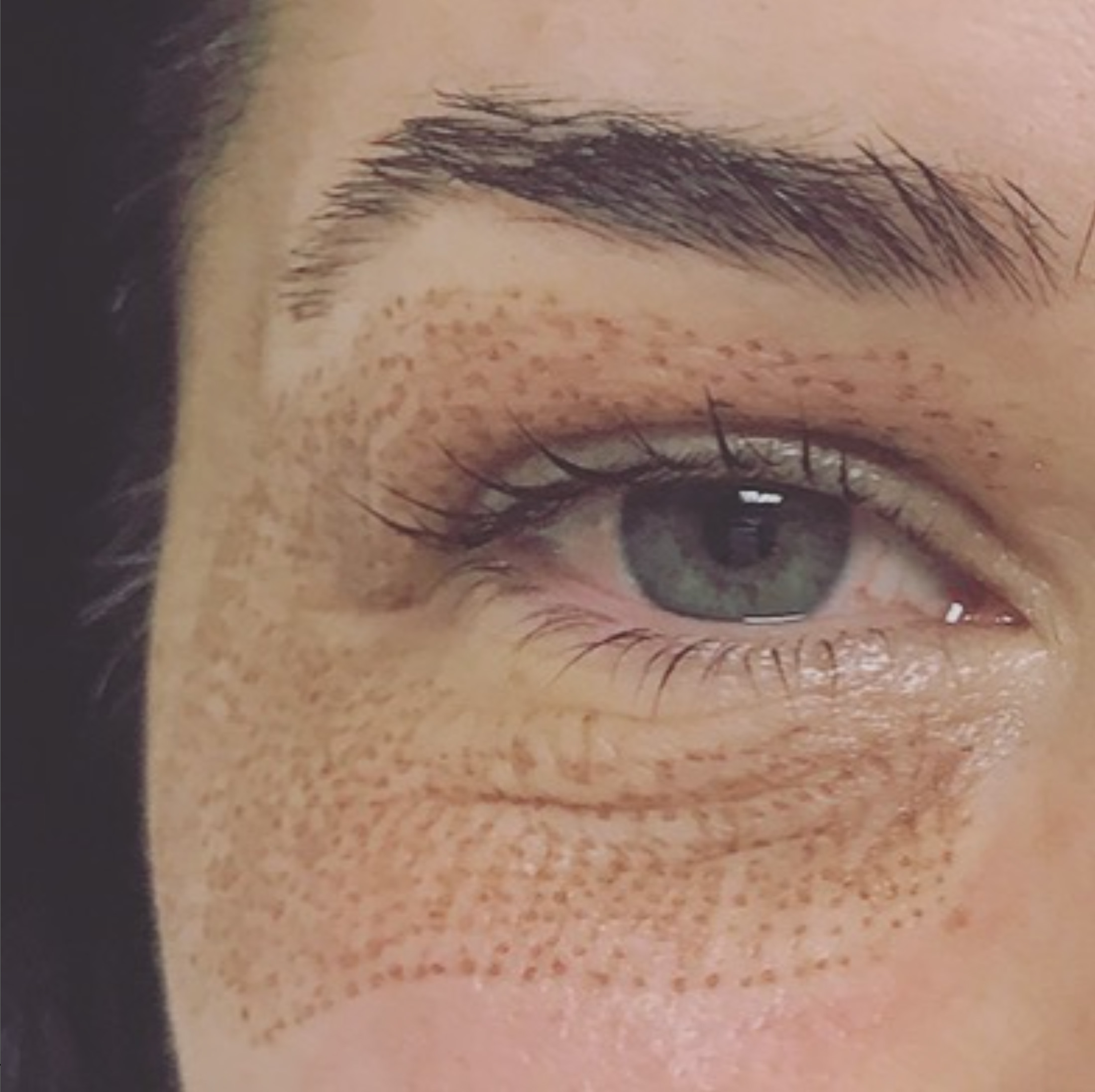
A targeted chemical peel formulated for the delicate eye and lip areas to smooth fine lines and brighten discoloration. It rejuvenates these expression zones with minimal irritation and downtime.
A targeted dermatology-guided regimen designed to reduce breakouts, calm inflammation, and promote clearer skin. This program helps rebalance oil production, improve texture, and prevent recurrent acne over time.
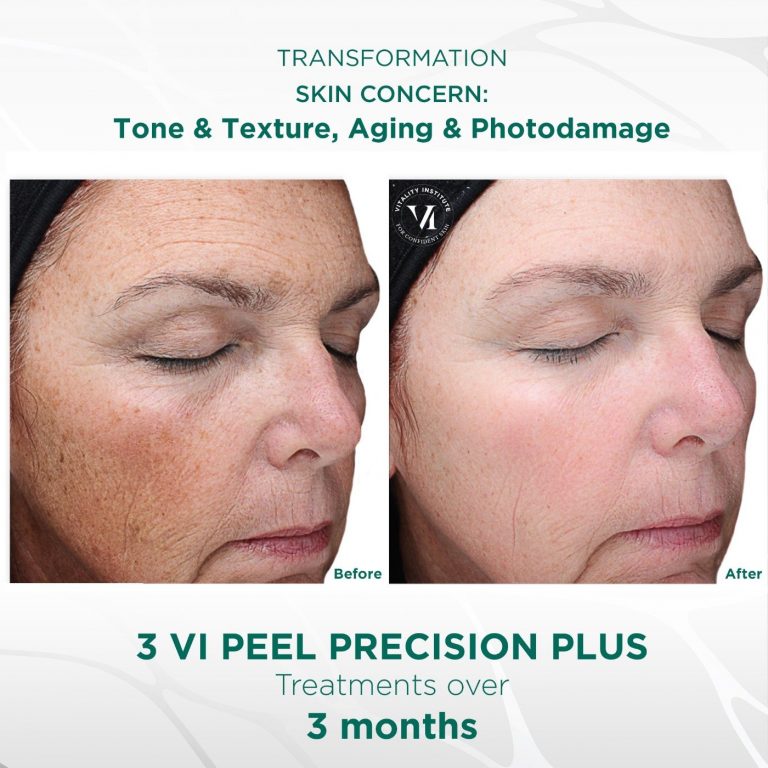
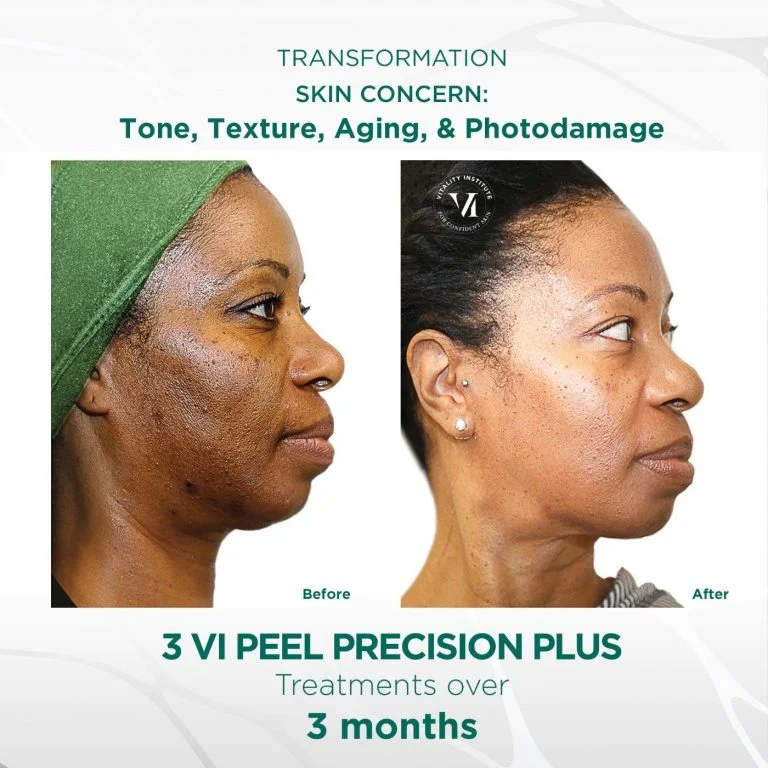
The Results
Explore More Cosmetic Services


We provide Chemical Peel treatments for patients in:
Auburn Hills, Rochester Hills, Troy, Sterling Heights, and Bloomfield Hills
Cosmetic Services